Umrah is often called the “lesser pilgrimage” – a shorter, simpler visit to Masjid al-Haram in Makkah that can be performed at any time of the year, unlike Hajj, which happens on fixed dates. For many Muslims, it’s the first time they’ll stand in front of the Kaaba, and that mix of excitement and uncertainty about “doing it right” is completely normal. This guide walks through Umrah in the exact order it’s performed, including the Arabic duas with transliteration, so you can follow along step by step whether you’re preparing at home or already on your way.
What Is Umrah?
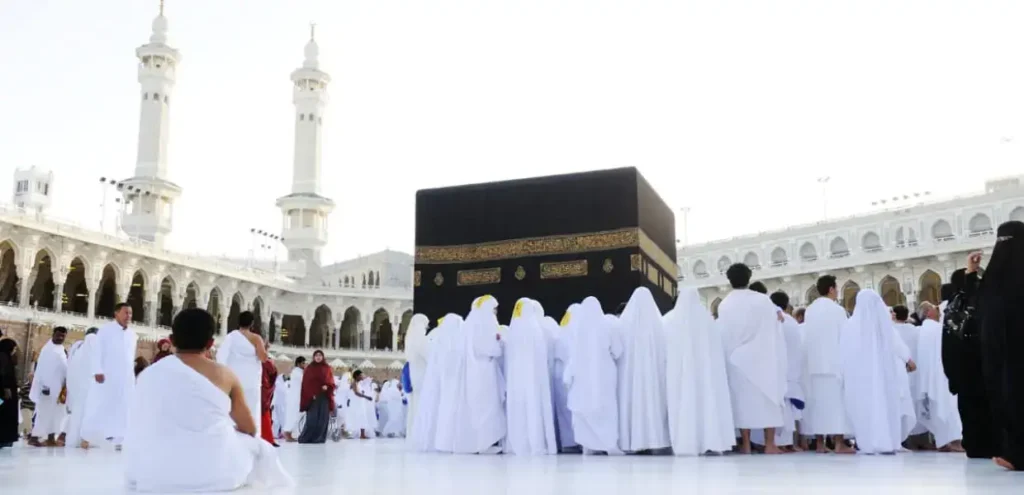
Umrah consists of four core rites performed in a fixed sequence: entering the sacred state of Ihram, performing Tawaf (circling the Kaaba seven times), performing Sa’i (walking between the hills of Safa and Marwah seven times), and finishing with Halq or Taqsir (shaving or trimming the hair). Once these four steps are completed correctly, Umrah is finished.
Umrah vs. Hajj – What’s the Difference?
Hajj is one of the five pillars of Islam, obligatory once in a lifetime for those who are able, and it can only be performed during specific days of the Islamic month of Dhul Hijjah. It includes additional rites – standing at Arafat, staying in Mina and Muzdalifah, and stoning the Jamarat – that Umrah does not include. Umrah is not obligatory in the same way, but it carries immense spiritual reward and can be performed as often as a pilgrim wishes throughout the year.
Before You Begin: Preparing for Umrah
Who can perform Umrah: Umrah is open to any Muslim who has reached puberty, though younger children are sometimes taken along with a guardian performing the rites on their behalf. A valid Umrah or tourist visa, along with the standard entry requirements for Saudi Arabia, is needed to travel – these can change, so it’s worth confirming current requirements directly with the Saudi authorities or your travel agent before booking.
What women should know: A few rulings differ for women. Men recite the Talbiyah aloud; women recite it quietly. A woman in her iddah (the waiting period after divorce or widowhood) is not permitted to perform Umrah. Women who are menstruating cannot perform Tawaf or Sa’i, though they can still travel in Ihram and wait until their bleeding ends – many scholars advise timing travel around this where possible. On the question of a mahram, Saudi tourist visa rules no longer require women to travel with a male guardian, but from an Islamic standpoint, the majority of scholars still hold that a woman performing Hajj or Umrah should travel with a mahram; it’s worth discussing this with a knowledgeable scholar based on your specific situation.
What to pack: Ihram garments (two unstitched white cloths for men; women wear modest, loose everyday clothing, not a specific uniform), comfortable and easily removable footwear for Tawaf and Sa’i, a small bag for essentials, and very little else to carry while performing the rites – Tawaf and Sa’i involve a fair amount of walking and it helps to travel light.
The Miqat: Where Ihram Begins
Before a pilgrim can enter Makkah to perform Umrah, they must cross a boundary called the Miqat – and Ihram must be entered before reaching it, not after. There are several Miqat points around Makkah depending on the direction a pilgrim is arriving from (for example, Yalamlam for those coming from the south, or Dhul Hulaifah/Abyar Ali for those departing from Madinah). If you’re flying directly into Jeddah, the Miqat is typically crossed in the air, and airlines usually announce it – many pilgrims choose to enter Ihram before boarding or shortly after takeoff to avoid missing the point.
It’s Sunnah to perform Ghusl (a full-body wash) before putting on Ihram, and to pray two rak’ahs if possible before making the intention.
Step 1 – Entering the State of Ihram
Ihram is both the clothing and the sacred state of mind a pilgrim enters before Umrah begins. Once in Ihram, certain everyday actions become prohibited – cutting or trimming hair and nails, wearing perfume or scented products, hunting, sexual activity, and for men, wearing stitched clothing or covering the head; for women, covering the face with a niqab or wearing gloves. These restrictions remain in place until Umrah is completed.
The Intention (Niyyah) and Talbiyah
At or just before the Miqat, the pilgrim makes the intention to perform Umrah, saying:
نويت العمرة وأحرمت بها لله تعالى
Nawaytul ‘Umrata wa ahramtu biha lillahi Ta’ala
“I intend to perform Umrah, and I have entered the state of Ihram for it, for the sake of Allah.”
Immediately after, the pilgrim begins reciting the Talbiyah, ideally repeating it often throughout the journey until Tawaf begins:
لَبَّيْكَ اللَّهُمَّ لَبَّيْكَ، لَبَّيْكَ لَا شَرِيكَ لَكَ لَبَّيْكَ، إِنَّ الْحَمْدَ وَالنِّعْمَةَ لَكَ وَالْمُلْكَ، لَا شَرِيكَ لَكَ
Labbayk Allahumma labbayk, labbayk la sharika laka labbayk, innal hamda wan-ni’mata laka wal-mulk, la sharika lak
“Here I am, O Allah, here I am. Here I am, You have no partner, here I am. Indeed all praise, grace and sovereignty belong to You. You have no partner.”
Men recite this aloud; women recite it quietly to themselves.
Step 2 – Arriving in Makkah
Once you reach Makkah, it’s fine to rest and freshen up at your hotel before heading to Masjid al-Haram – there’s no requirement to go straight from the airport or bus into Tawaf, and doing so exhausted rarely helps concentration. When you do head to the mosque, enter with your right foot first and recite the dua for entering a mosque, then make your way toward the Kaaba, ideally trying to approach the Black Stone (Hajar al-Aswad) corner to begin Tawaf, crowd conditions permitting.
Step 3 – Tawaf: Circling the Kaaba
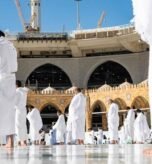
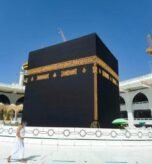
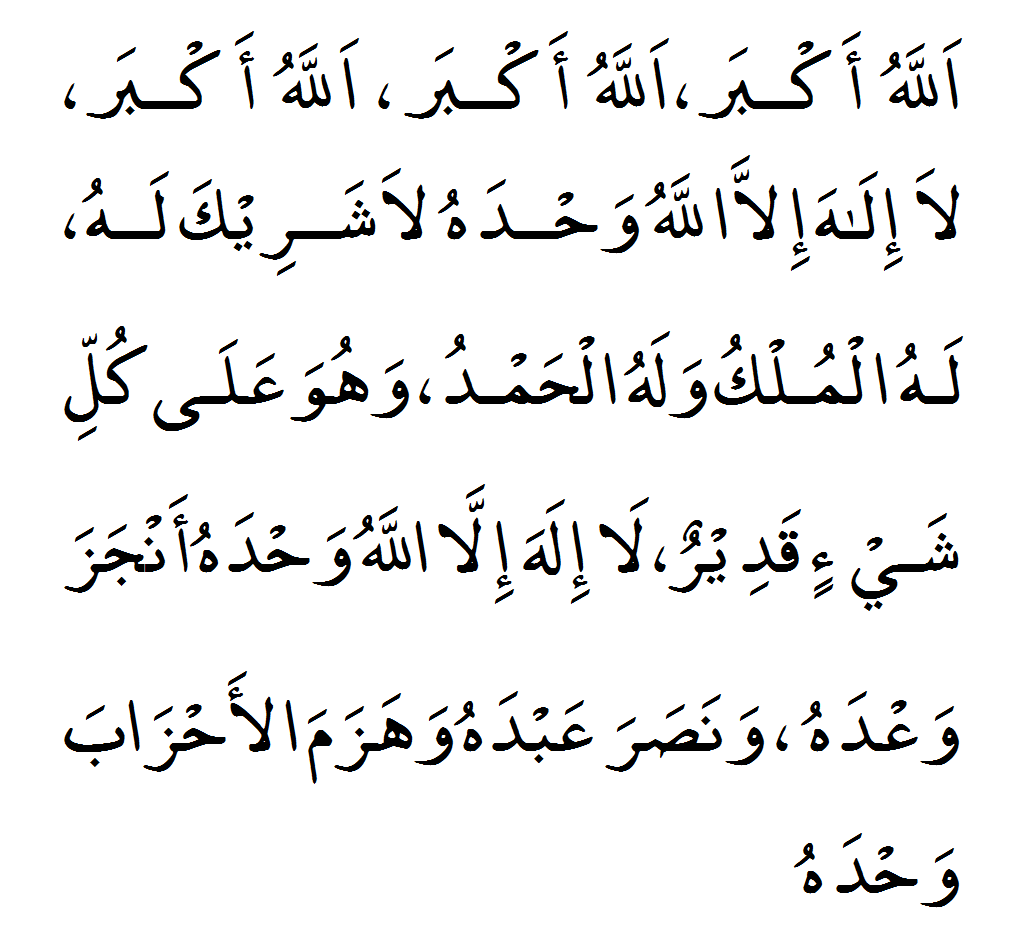
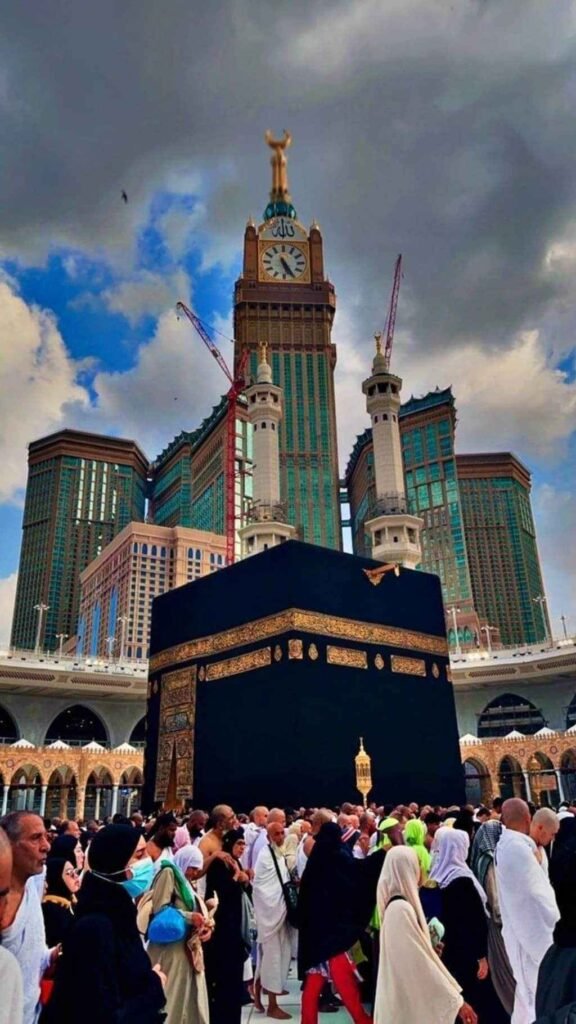
Tawaf is the rite most people associate with Umrah – circling the Kaaba seven times in a counter-clockwise direction, starting and ending at the corner of the Black Stone. Where possible, pilgrims try to touch or point toward the Black Stone at the start of each circuit (istilam), but this isn’t required if the crowd makes it unsafe or impractical – a gesture of the hand toward it while saying “Allahu Akbar” is sufficient.
What to recite during Tawaf: There’s no single fixed prayer required for the whole of Tawaf; pilgrims commonly recite Qur’an, dhikr, or personal supplication throughout, focusing on sincerity rather than a memorized script. Between the Yemeni Corner and the Black Stone specifically, it’s a well-known Sunnah to recite:
رَبَّنَا آتِنَا فِي الدُّنْيَا حَسَنَةً وَفِي الْآخِرَةِ حَسَنَةً وَقِنَا عَذَابَ النَّارِ
Rabbana atina fid-dunya hasanatan wa fil-akhirati hasanatan wa qina ‘adhaban-nar
“Our Lord, give us good in this world and good in the Hereafter, and protect us from the punishment of the Fire.”
After completing the seven circuits, pilgrims pray two rak’ahs, preferably near Maqam Ibrahim if space allows, or anywhere else in the mosque if it’s too crowded. It’s also customary to drink Zamzam water at this point.
Step 4 – Sa’i: Walking Between Safa and Marwah
After the two rak’ahs, the pilgrim proceeds to Sa’i – walking between the hills of Safa and Marwah seven times (starting at Safa and ending at Marwah), commemorating Hajar’s search for water for her son Isma’il. Upon reaching Safa and Marwah, pilgrims typically face the Kaaba and recite dua, and for men there’s a short stretch between two green markers where a brisker pace is Sunnah. As with Tawaf, there’s no single obligatory recitation – general supplication and dhikr are encouraged throughout.
Step 5 – Halq or Taqsir: Completing Umrah
The final rite is cutting the hair – men either shave the head completely (Halq) or trim it evenly all over (Taqsir), with shaving considered the more virtuous option. Women trim a small amount, roughly a fingertip’s length, from the ends of their hair; they do not shave. Once this is done, the restrictions of Ihram are lifted and Umrah is complete.
After Umrah: What Happens Next
There’s no formal closing ritual beyond Halq/Taqsir – once your hair is cut, you’re free to return to normal dress and daily life. Many pilgrims choose to remain in Makkah for a few days to pray in Masjid al-Haram as often as possible before moving on.
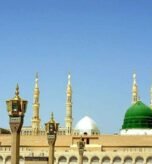
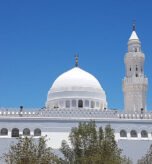
Ziyarat in Makkah and Madinah: While in the region, most pilgrims also set aside time for Ziyarat – visiting historically and spiritually significant sites such as Jabal al-Nour, Jabal Thawr, and the Qiblatain Mosque in Madinah, Masjid an-Nabawi, the Rawdah, and Baqi cemetery. These visits aren’t part of Umrah itself but are a meaningful extension of the trip for many travelers.
If you intend to perform another Umrah during the same visit, you’ll need to leave the boundary of the Haram, re-enter Ihram at a Miqat point outside it, and repeat the same four steps.
Getting to Makkah: A Practical Note on Travel
Most pilgrims arrive through Jeddah’s King Abdulaziz International Airport, since it’s the closest major airport to Makkah, or through Prince Mohammad Bin Abdulaziz International Airport if they begin their trip in Madinah instead. From either airport, the journey to your hotel – and later, between Makkah and Madinah for Ziyarat – is worth planning ahead of time, particularly if you’re traveling with family, elderly relatives, or extra luggage, or arriving tired after a long flight and simply wanting a direct, private ride rather than navigating shared transport.
This is one of the few places where transportation genuinely matters to the Umrah experience itself: entering Ihram at the right time before the Miqat is easier to manage in a private vehicle where the driver understands the route and timing, and a private door-to-door transfer means you’re not shuffling luggage between multiple vehicles while trying to preserve your state of Ihram. If this is part of what you’re organizing, Zukhruph Transport provides private transportation between Jeddah, Makkah, Madinah, and Taif – including airport transfers and Makkah–Madinah routes for Ziyarat – using GMC, Mercedes-Benz, and other suitable vehicles depending on your group size and needs. You can reach them on WhatsApp at +966574915372 or through zukhruphtransport.com to check availability for your dates.
FAQs
1. What are the 4 steps of Umrah?
Umrah consists of four rites performed in order: entering Ihram with the intention to perform Umrah, Tawaf (circling the Kaaba seven times), Sa’i (walking between Safa and Marwah seven times), and Halq or Taqsir (shaving or trimming the hair) to conclude.
2. Is Umrah compulsory like Hajj?
No. Hajj is obligatory once in a lifetime for Muslims who are able to perform it, on fixed dates each year. Umrah is not obligatory in the same way, though it’s highly recommended and can be performed at any time of year, as many times as a pilgrim wishes.
3. What is the Miqat, and why does it matter?
The Miqat is a boundary around Makkah that pilgrims must not cross without first being in the state of Ihram. If you’re flying into Jeddah, the Miqat is usually crossed in the air, and it’s common to enter Ihram before the flight or as soon as the pilot announces the approach.
4. What dua do you recite during Tawaf?
There’s no single required prayer for the whole of Tawaf – personal supplication, dhikr, and Qur’an recitation are all appropriate. Between the Yemeni Corner and the Black Stone specifically, it’s Sunnah to recite “Rabbana atina fid-dunya hasanatan wa fil-akhirati hasanatan wa qina ‘adhaban-nar.”
5. Can women perform Umrah while menstruating?
A woman who is menstruating cannot perform Tawaf or Sa’i, but she can travel in Ihram and remain in that state until her bleeding ends, at which point she performs Ghusl and completes the rites.
6. Does a woman need a mahram to perform Umrah?
Saudi tourist visa rules no longer require a mahram for women traveling to perform Umrah, but many Islamic scholars still hold that women should travel with a mahram for Hajj or Umrah according to the majority view – it’s best discussed with a knowledgeable scholar for your specific circumstances.
7. How long does it take to complete Umrah?
The core rites – Tawaf and Sa’i – can be completed in as little as one to two hours outside of peak crowd periods, though it can take considerably longer during busy seasons such as Ramadan. Most pilgrims budget more time to account for crowds, rest, and prayer.
8. Can I perform Umrah more than once on the same trip?
Yes. To perform a second Umrah, you must leave the boundary of the Haram, re-enter Ihram at a Miqat point outside it, and repeat the same four rites.
9. What should I avoid while in Ihram?
Cutting or trimming hair and nails, wearing perfume or scented products, hunting, marital relations, and for men, wearing stitched clothing or covering the head; for women, covering the face with a niqab or wearing gloves.
10. Do I need a visa to perform Umrah?
Yes, a valid Umrah or Saudi tourist visa is required, along with standard entry documentation. Requirements can change, so it’s worth confirming current rules with the Saudi authorities or a licensed travel agent before booking.
11. What’s the best way to get from Jeddah Airport to Makkah?
Many pilgrims arrange a private transfer directly from the airport to their Makkah hotel, particularly when traveling with family or extra luggage, since it avoids switching between shared transport and keeps the journey around Miqat timing straightforward.
12. Do I need transportation between Makkah and Madinah?
It’s not required for Umrah itself, but most pilgrims visit Madinah separately for Ziyarat at Masjid an-Nabawi. This leg is usually arranged as a private intercity transfer, given the distance between the two cities.